
Audio DSP Modules
Equalization, crossover, delay, routing, limiting and preset management for amplifiers, conference audio, active speakers and in-vehicle audio equipment.
From audio algorithms and hardware design to embedded software and cloud control, Irhyme provides device manufacturers and brands with module solutions that can be validated, customized and manufactured at scale.

Product information is being expanded continuously. Confirmed capabilities are organized in a clear product framework so new models and specifications can be added consistently.
Equalization, crossover, delay, routing, limiting and preset management for amplifiers, conference audio, active speakers and in-vehicle audio equipment.
Connectivity, device management and cloud control for smart hardware, with communications, protocols and application layers matched to each project.
Integrated display, driver, interface and device-status solutions adapted to different sizes, interfaces and mechanical constraints.
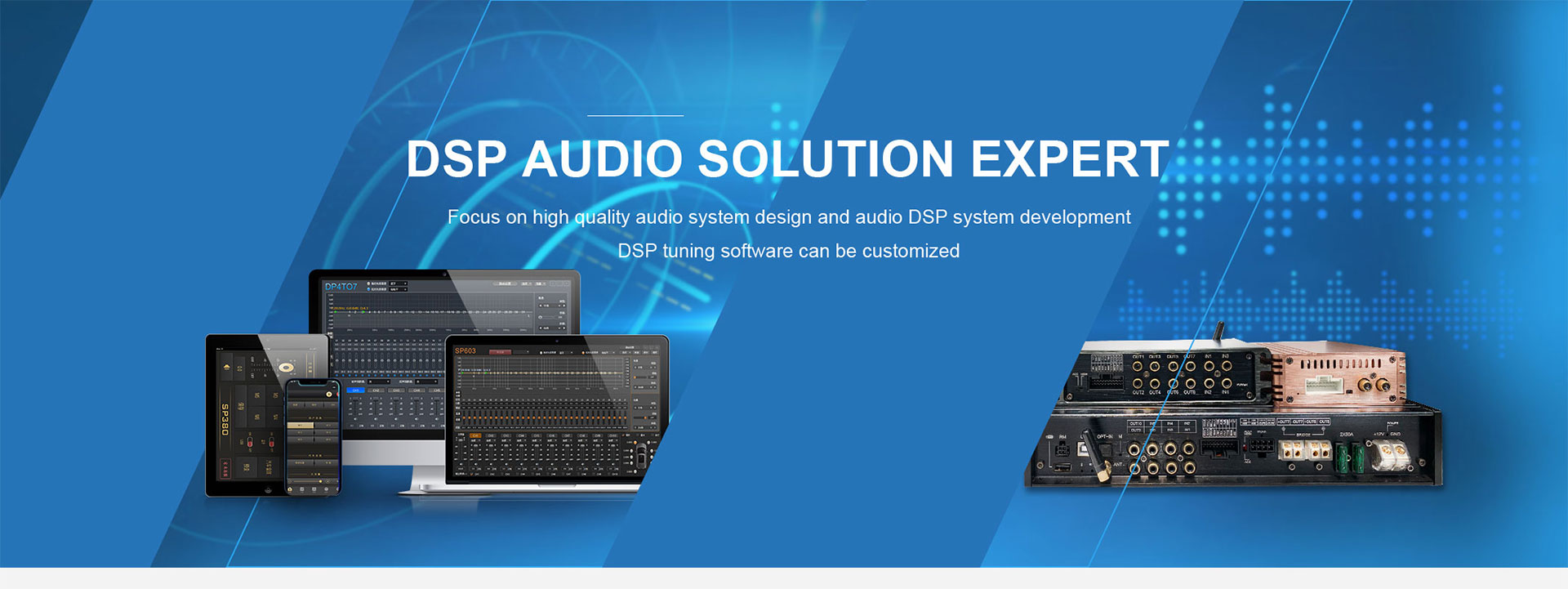
We combine audio hardware and software development, embedded firmware, PC and mobile applications, production testing and project delivery to turn concepts into verifiable prototypes and stable production products.
The information below comes from existing project materials. Unconfirmed specifications will be added only after supporting documentation is complete.
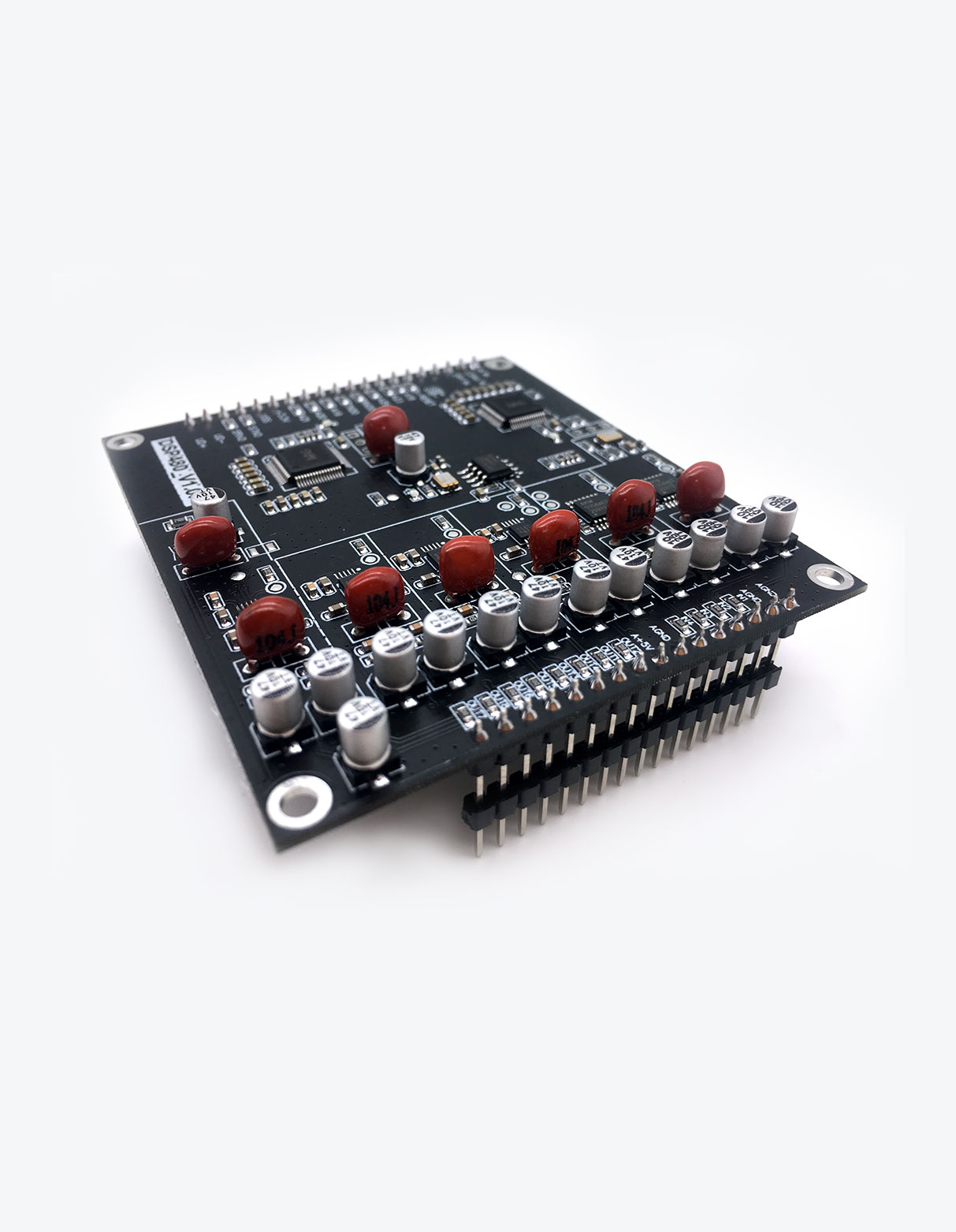
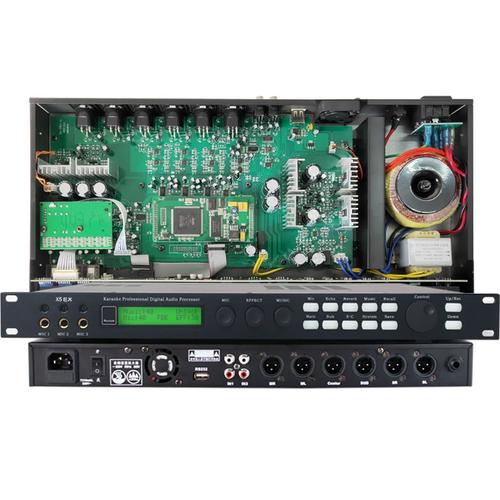
A multi-channel audio processing platform configurable for project-specific I/O, algorithms and control methods.
View capabilities →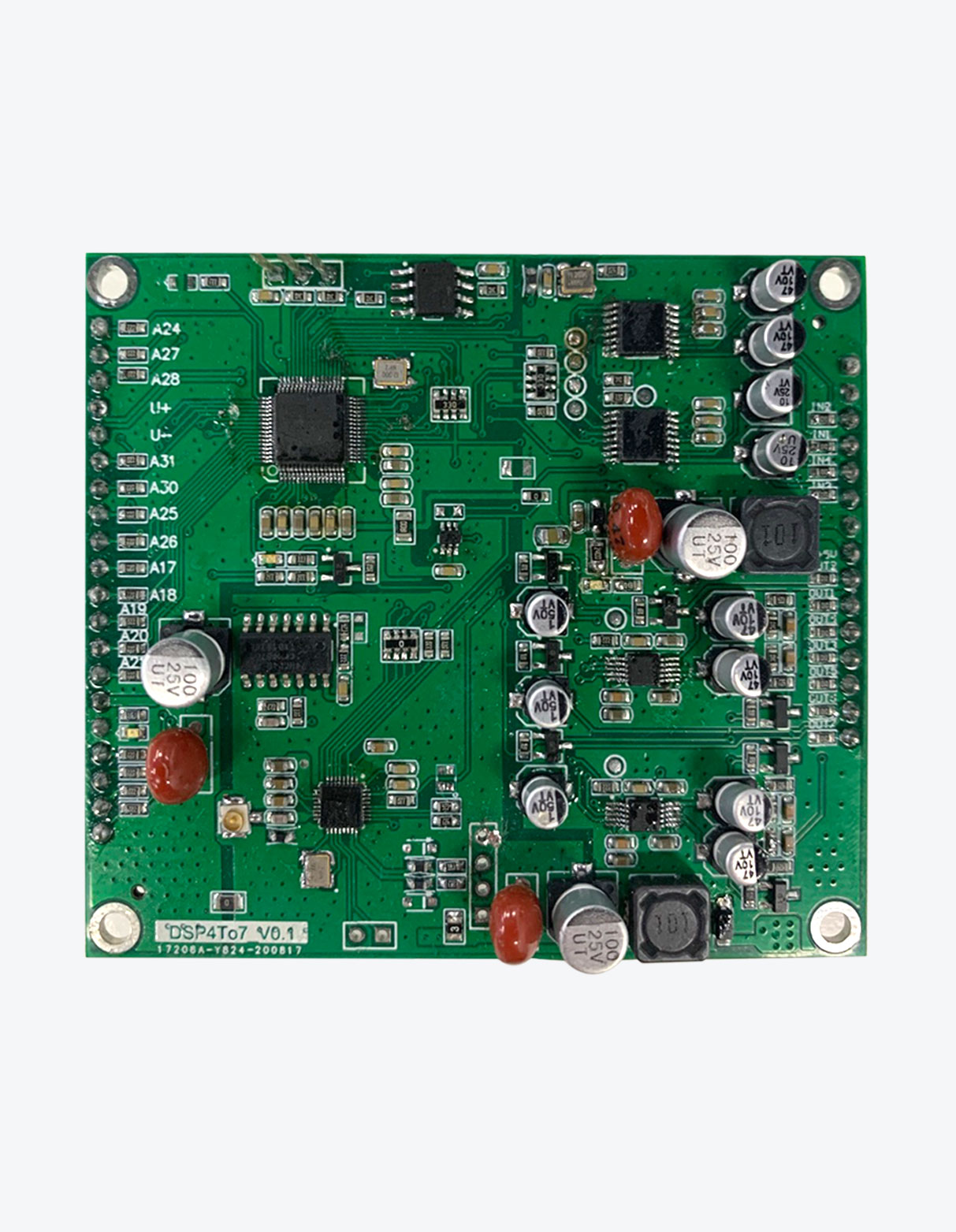
Processing modules for amplifiers and audio equipment, with project-specific interfaces and preset functions.
Explore module options →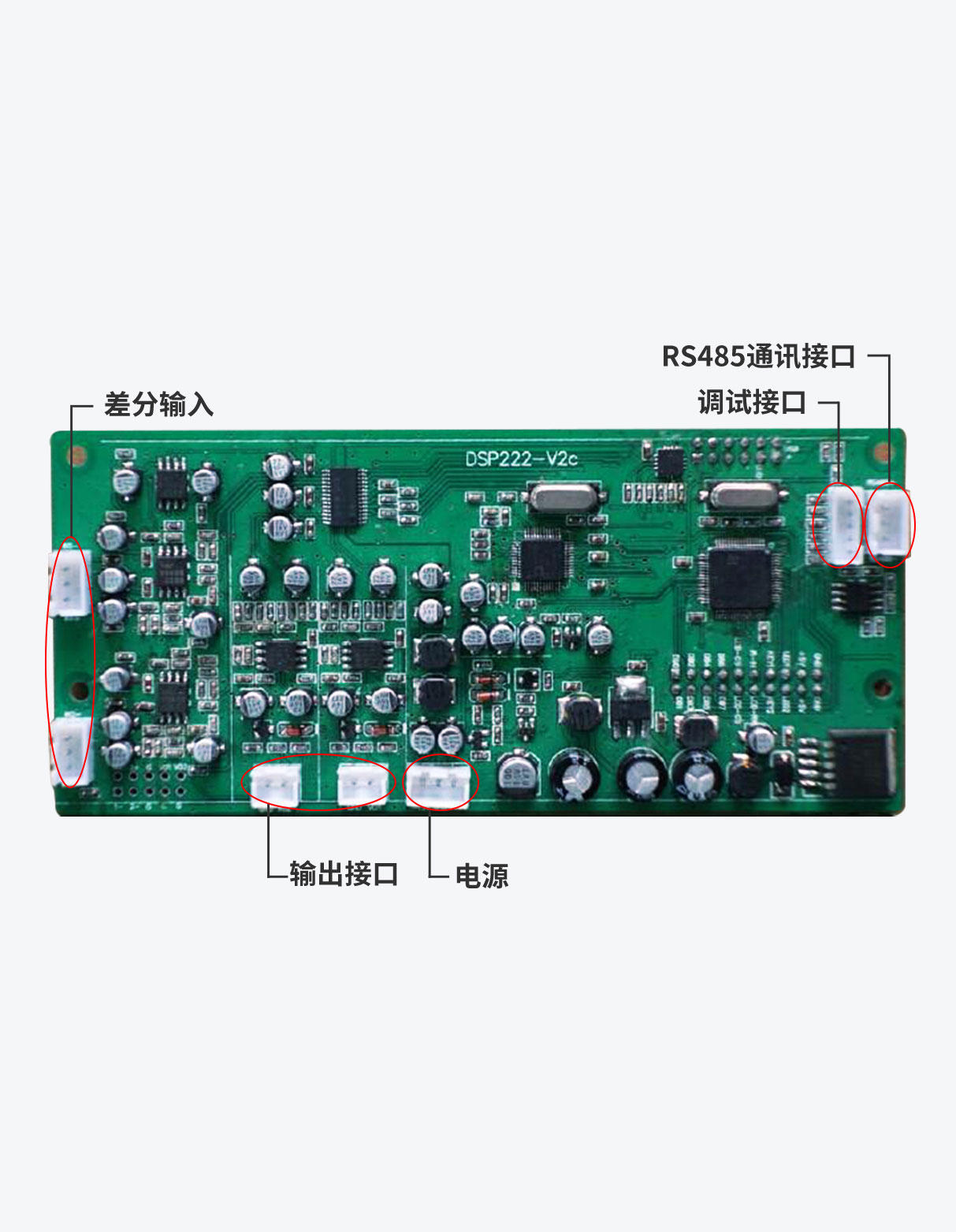
An audio module supporting parametric EQ, filtering, routing, preset storage and RS485 control.
View specifications →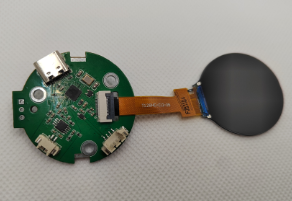
TFT display, controller, communications and UI interaction matched to the product enclosure and project requirements.
Submit requirements →Use the Web EQ demo to adjust frequency, gain and Q in real time. Device connectivity, parameter synchronization and preset management can be integrated through a project backend.
A unified entry point for administrator password recovery, DSP module localization, panel upgrades and color display upgrades, multi-platform tuning software, mobile apps and remote tuning.
Clarify the use case, interfaces, cost target and production plan.
Evaluate chipsets, PCBAs, algorithms and display options.
Integrate hardware, firmware and audio tuning.
Establish test criteria and verify long-term operation.
Support manufacturing, upgrades and ongoing engineering.